I felt Grandbub’s body ease into the relaxation of sleep. His world had not gone the way it normally does and this presented him with the age-old dilemma of coping with the realities of life.
For our three-month-old little man, managing while his mum wasn’t there is a major challenge. This constitutes an identity crisis of sorts. He wasn’t sure he could manage now that there was a shift, albeit short-term and limited, in his closest relationships.
This disruption of the regular and consistent comfort of his mother’s presence causes internal discombobulation. His learning then centers around seeking and accepting comfort from others. Of course, he is too little to understand any of this, and his only means of communication is crying.
He is literally crying out for comfort.
Whether it is the comfort of an empty tummy being filled, a wet nappy being changed, or the renewal of sleep, he can do nothing but cry. His physical discomfort is then matched by emotional discomfort. The confusion of an interrupted routine, a strange feeling of grief that something is missing, and the fear that comes when the sense of self loses its grounding, all present as crying.
Comfort arrives in a specific order—physical, then emotional.
Grandbub struggled with the bottle, as his own father did at the very same age, and so it was difficult to tell just how much food was in his little tummy. The wet nappy had been taken care of. The next port of call was sleep. But the tummy might not have been properly filled. Along with these two physical needs competing, his emotional needs were also coming into play.
His sense of self was unraveling. It had been a little while since he had had an emotional reset in which his mum while doing all of the things she normally does for him—feeding, changing, carrying, chatting—reminded him that he is a consistent person. Here is where the real learning lies: in order for him to become his own person, he must experience the absence of his mother, receive comfort from others, and experience that he is still himself and okay. This learning, pushed too far, too soon, is frightening, but at the right time, with the right people to bring comfort, it is a natural part of child development.
There are two points here. The first is this:
Bringing comfort to others is one of our primary purposes. No matter what line of work we are in—our gender, our political bent, our status, or whether we love cats or dogs—we are supposed to offer comfort to each other.
This might come in the form of a smile, a small kindness, or some other action, but it is what we are meant to do. This is the purpose of our lives. I’m not talking about being a doormat or a bully, I’m talking about genuine, no-strings-attached comfort.
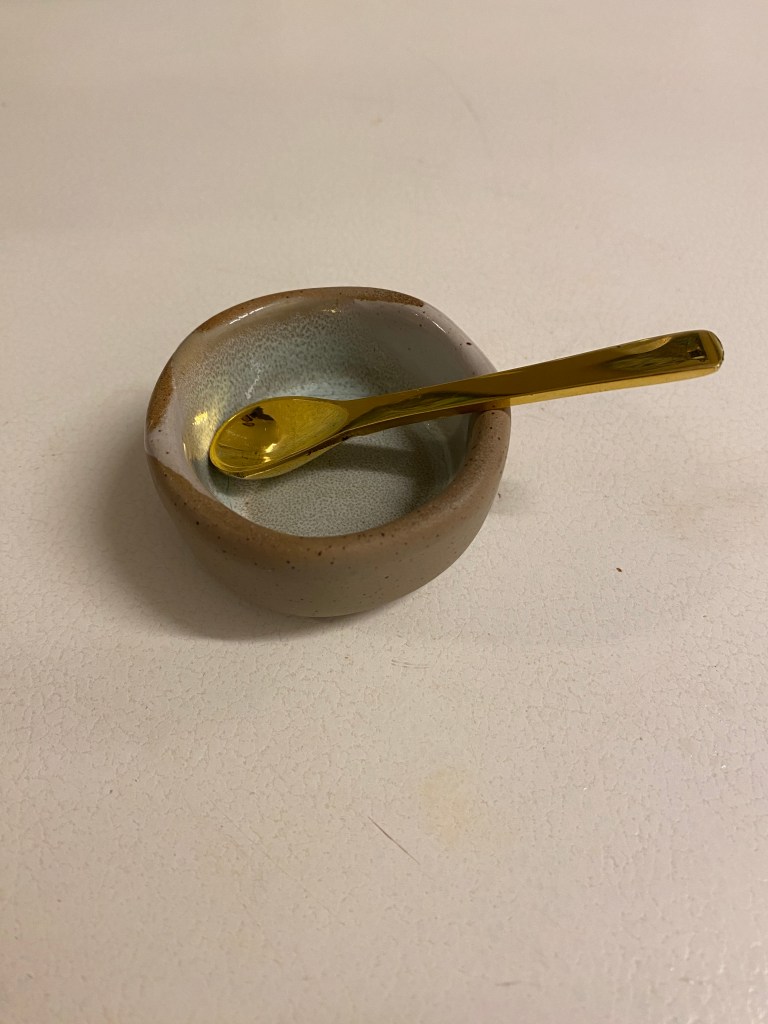
A new friend, on her first visit to my home, gave me a really cute salt dish. She didn’t have to. It wasn’t my birthday. I didn’t invite just her. Others weren’t bringing gifts. There was no reason for it, except kindness. And that kindness brought me a sense of comfort. The dish is just my kind of thing and goes well with the vibe in my house. I felt seen. Understood.
Bringing comfort isn’t about neglecting ourselves to earn some “cosmic comfort points”. It is about being who you are and living a life that has space in it to respond to the needs of others. Personally, I am not going to try to comfort someone by designing and building them a house, for example. From me, this isn’t comfort. For starters, I don’t know how to do those things but, more than that, I am not in a position to do such things. Comfort is about seeing other people as real people, not below or above, but equal to you. To see them as anything other than equal is to use comfort to either condescend or grovel.
The second point is this:
We are all born needing comfort.
It isn’t an option. As infants, we physically cannot survive if someone neglects to meet our physical needs, to ease the pain in our bodies by offering comfort. We also struggle psychologically when we are not emotionally comforted.
To be understood without judgment is one of the greatest comforts I have received. I have had a good friend sit with me, just sit with me, and listen to the pain of abandonment. They cried when I couldn’t. They held a difficult space open for me and soothed my dysregulated physiology. They helped me feel better so that I could re-engage with my life, rather than being overwhelmed and stuck in my discomfort.
We don’t grow out of needing comfort. It simply changes. Grandbub won’t always need the regular presence of his mother to know who he is. I can say this because my own babies no longer need me to steady their core sense of self. They still, however, need comfort. If not from me, then from someone else close to them, partners, best friends, even each other.
Sometimes, like Grandbub, we don’t understand what our needs are and all we can manage to do is cry. As adults when life unravels in this way, it is tempting to pull back from receiving comfort. We believe the lie that we can do it all alone, and that being a grown-up means we should.
We are not meant to face life alone. We are meant to bring each other comfort. It is up to me to do the things I think will comfort you, even if it is buying you some random on-sale sweets from the store, and to ask for comfort when I need it.
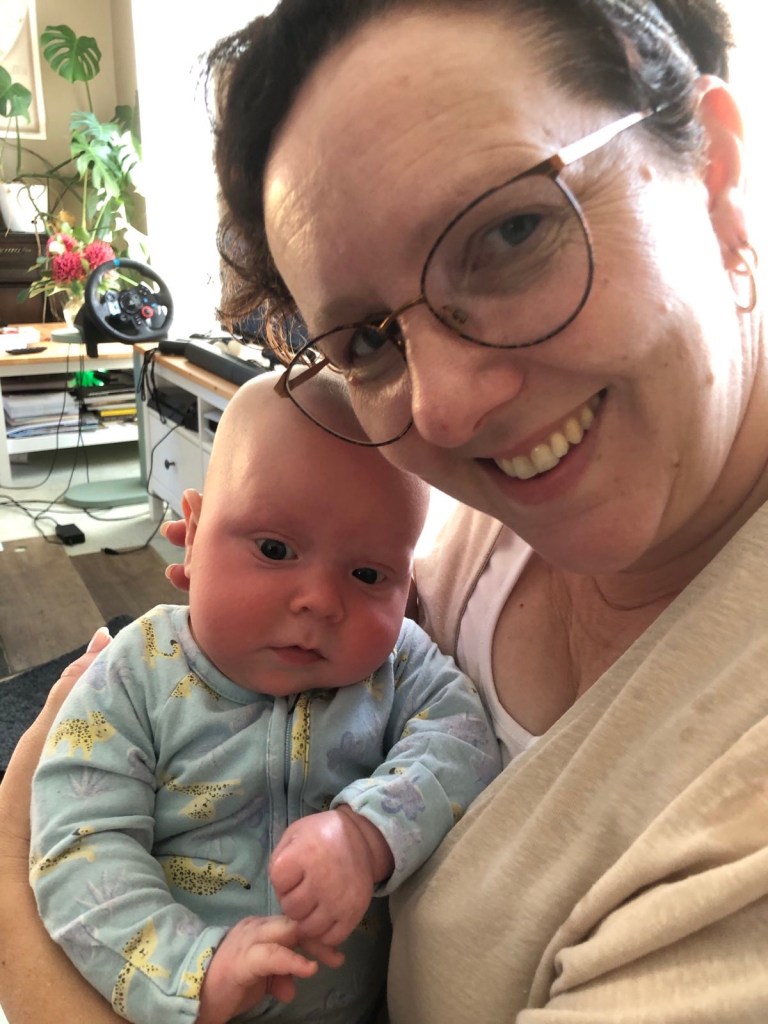
As I held Grandbub, rocking him in the dark nursery, shushing him to sleep, he gave over. He allowed the comfort of my crooning voice, the softness of my body, and our shared warmth, to seep into his being.
And when it did, he felt better.
Comfort is good like that.
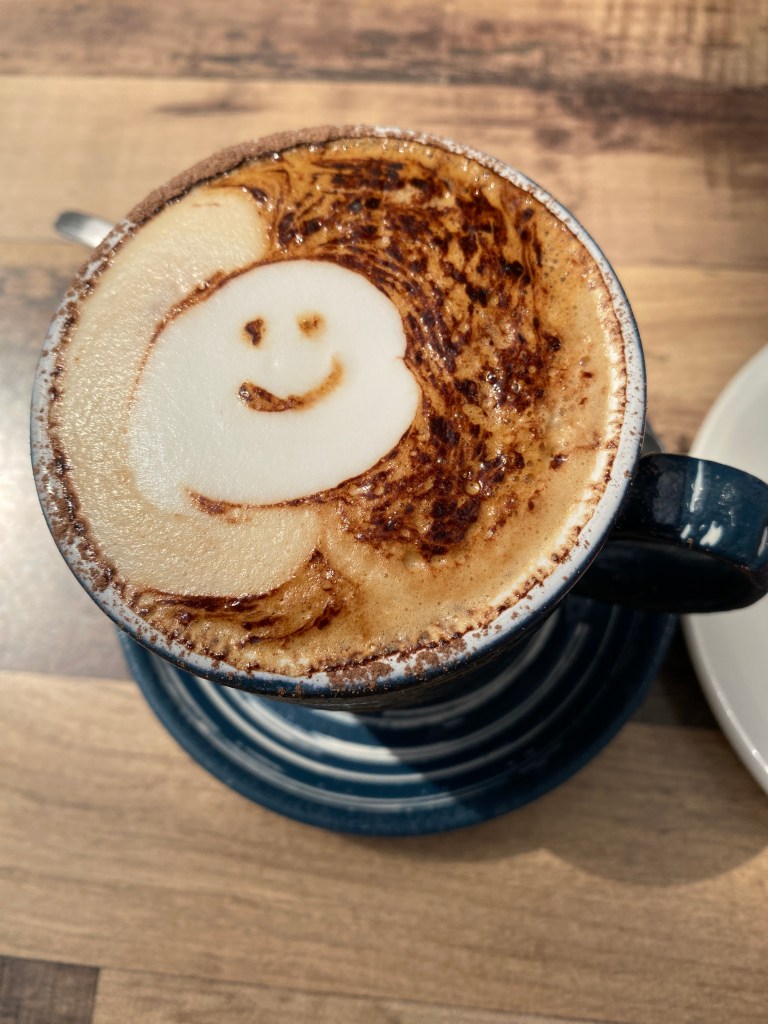
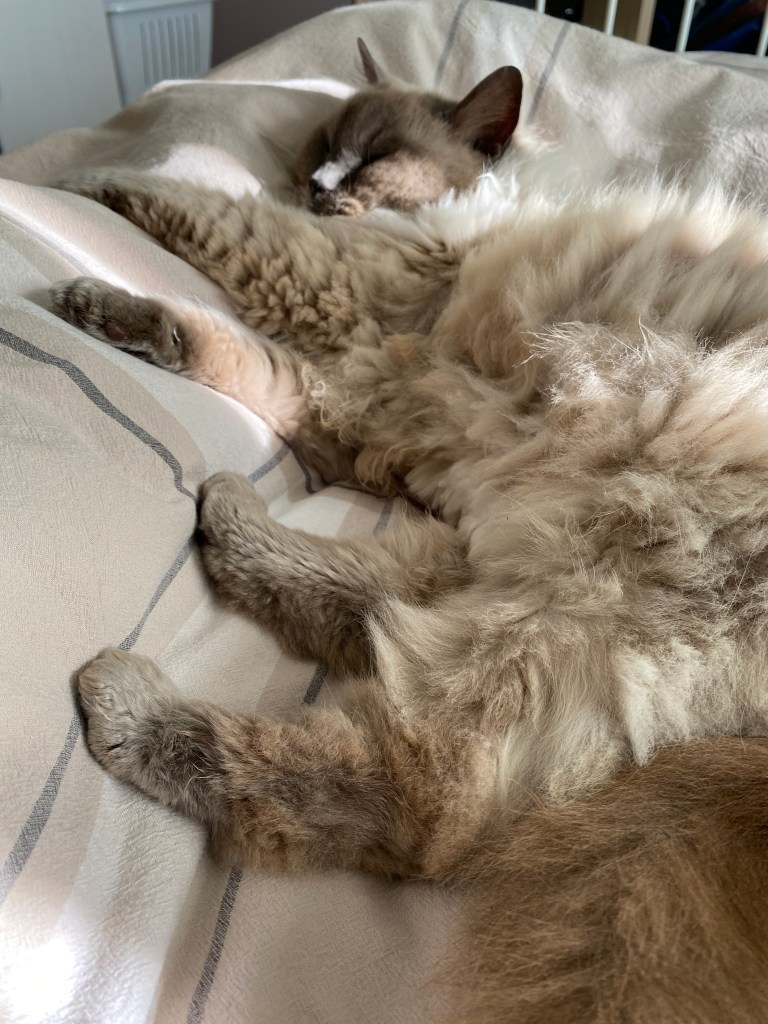
And it takes many forms. These are some of mine.





 This Writer's Life
Beautiful pictures. Of course the last one is the best!! You are blessed.
Vicki
Sent from Mail for Windows
LikeLiked by 1 person