What a gratifying word.
Feel it in your mouth. It begins near the back of the palate, moves to a little moment where the tongue touches the back of the top teeth, and then leaves the mouth with a slight puff of air between the bottom lip and the teeth. It begins in the mouth and then exits. Released and free.
Enough is like that. It rumbles around in your life and then offers freedom.
Think about being satiated. We begin hungry, eat, and then have had enough. If we continue to eat, our bellies swell and we feel uncomfortable. It is too much. The mind stops thinking about food and things don’t look as inviting as they did.
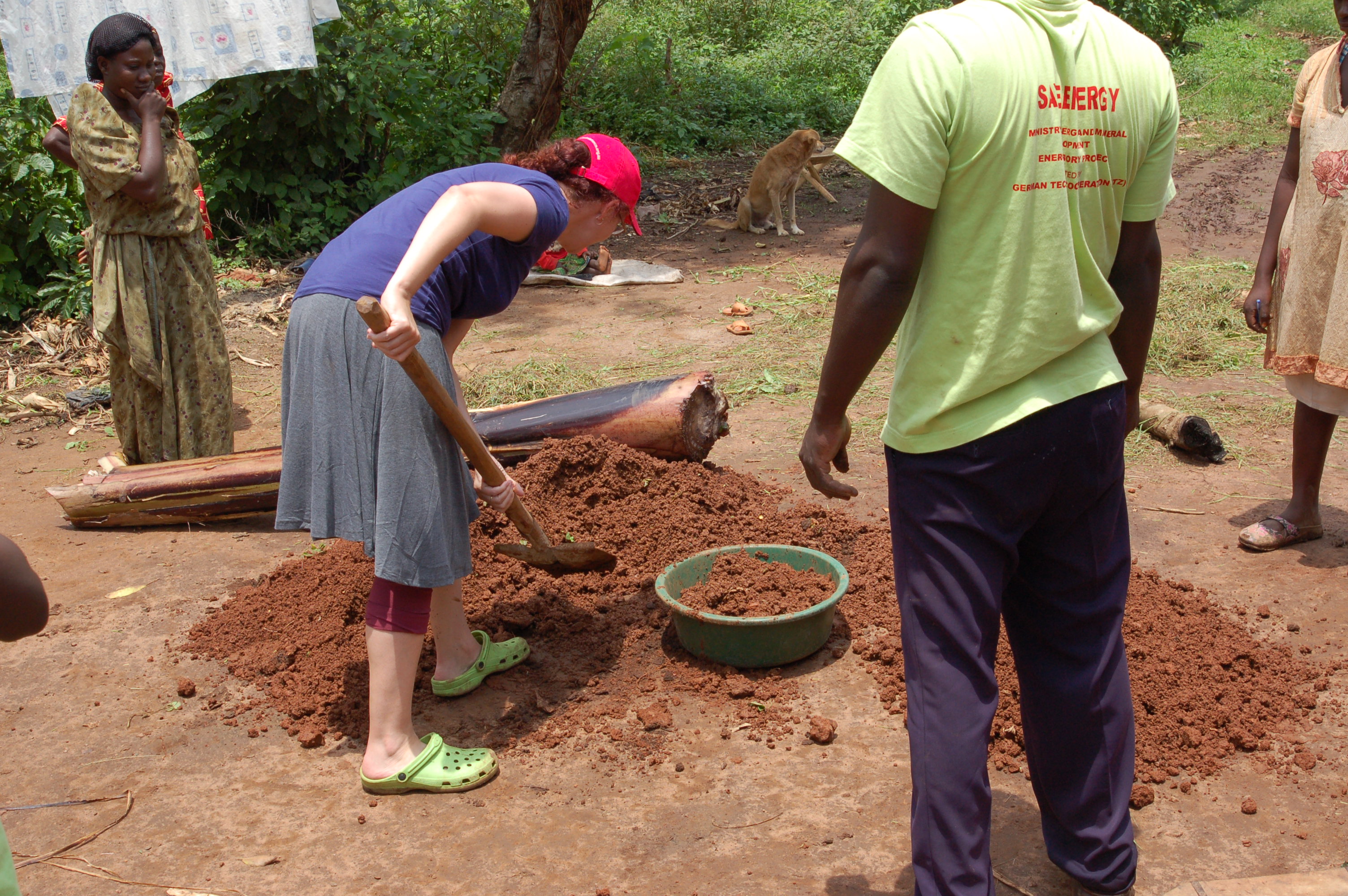
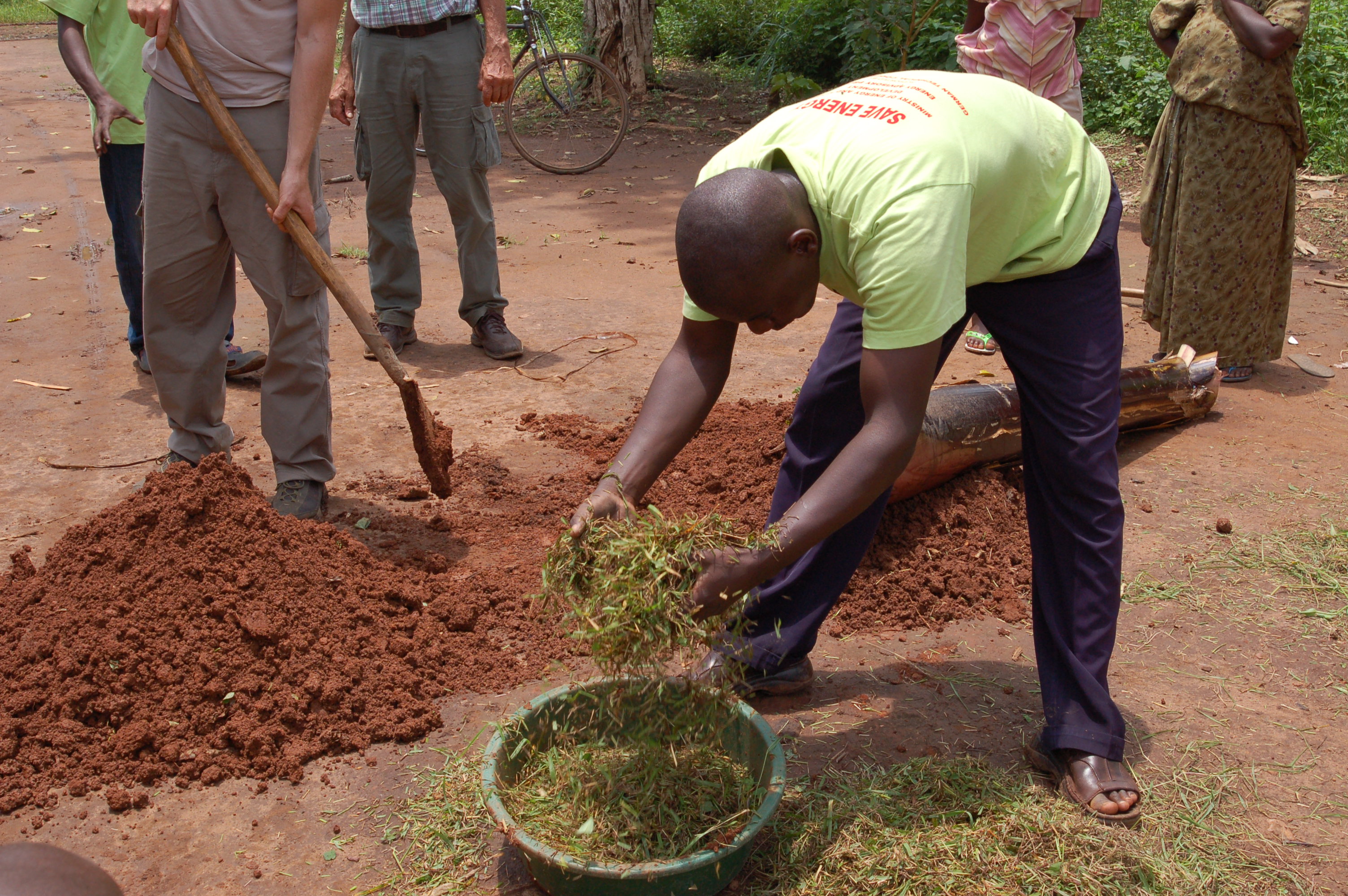
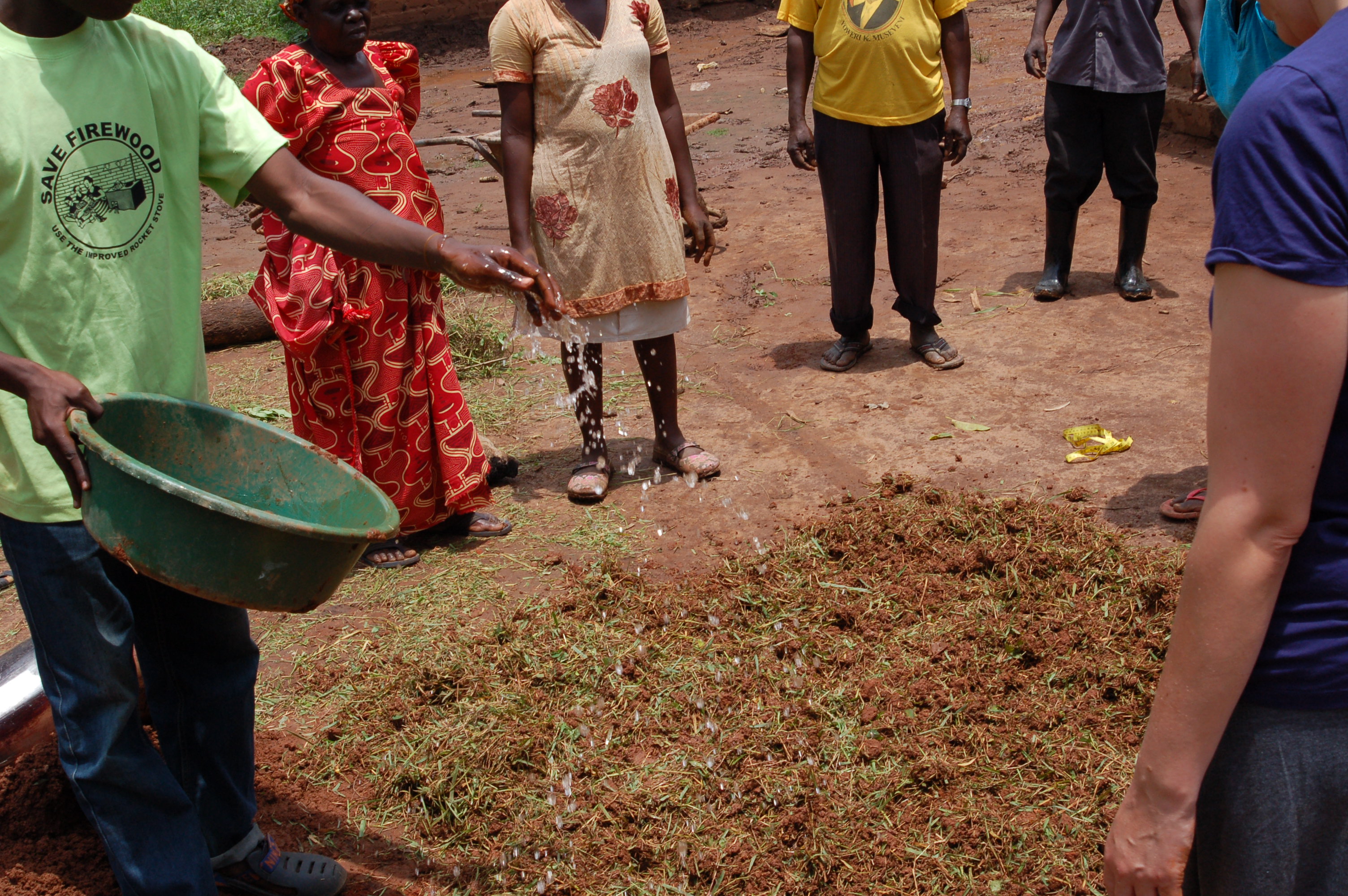
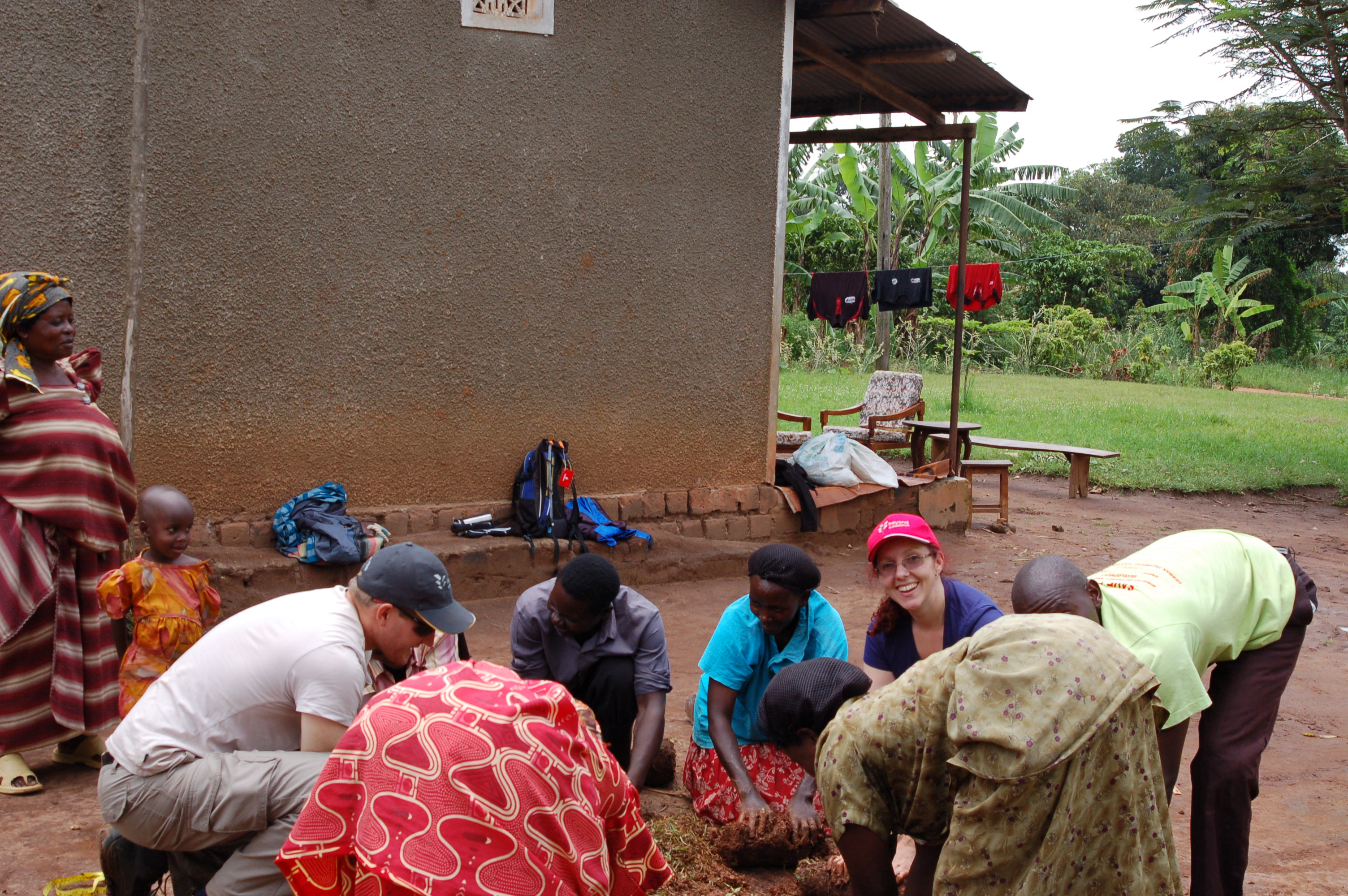
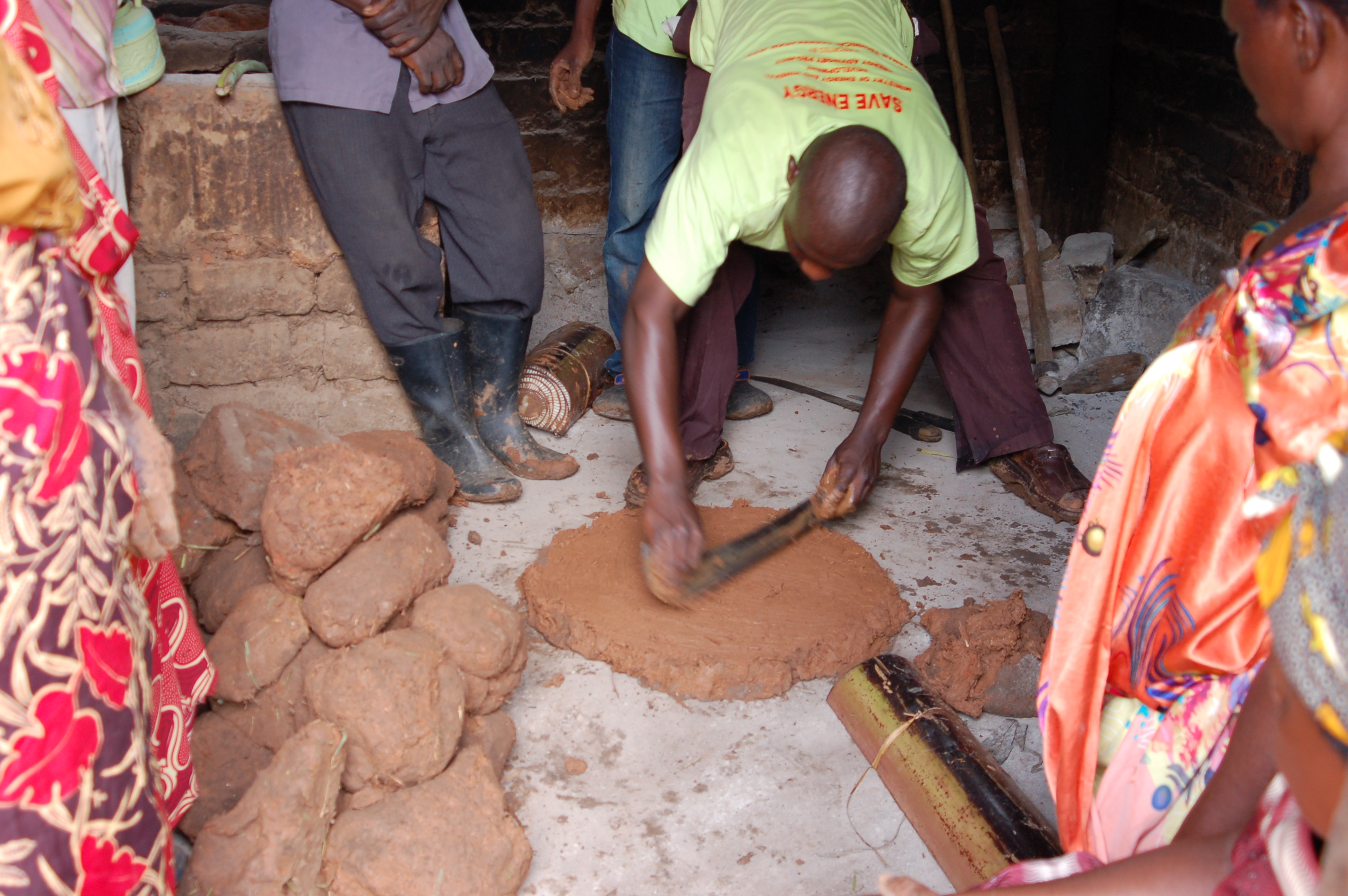
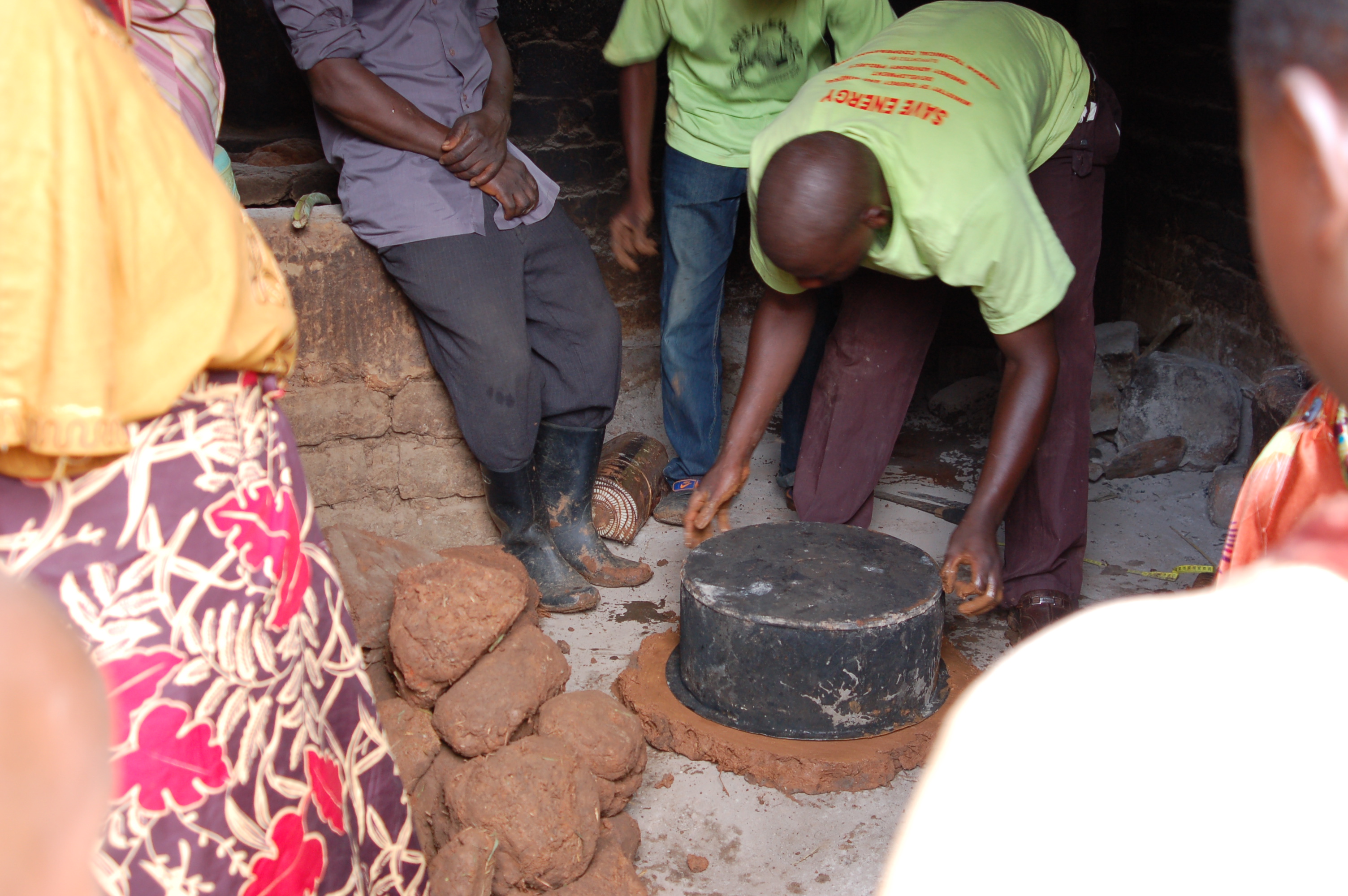
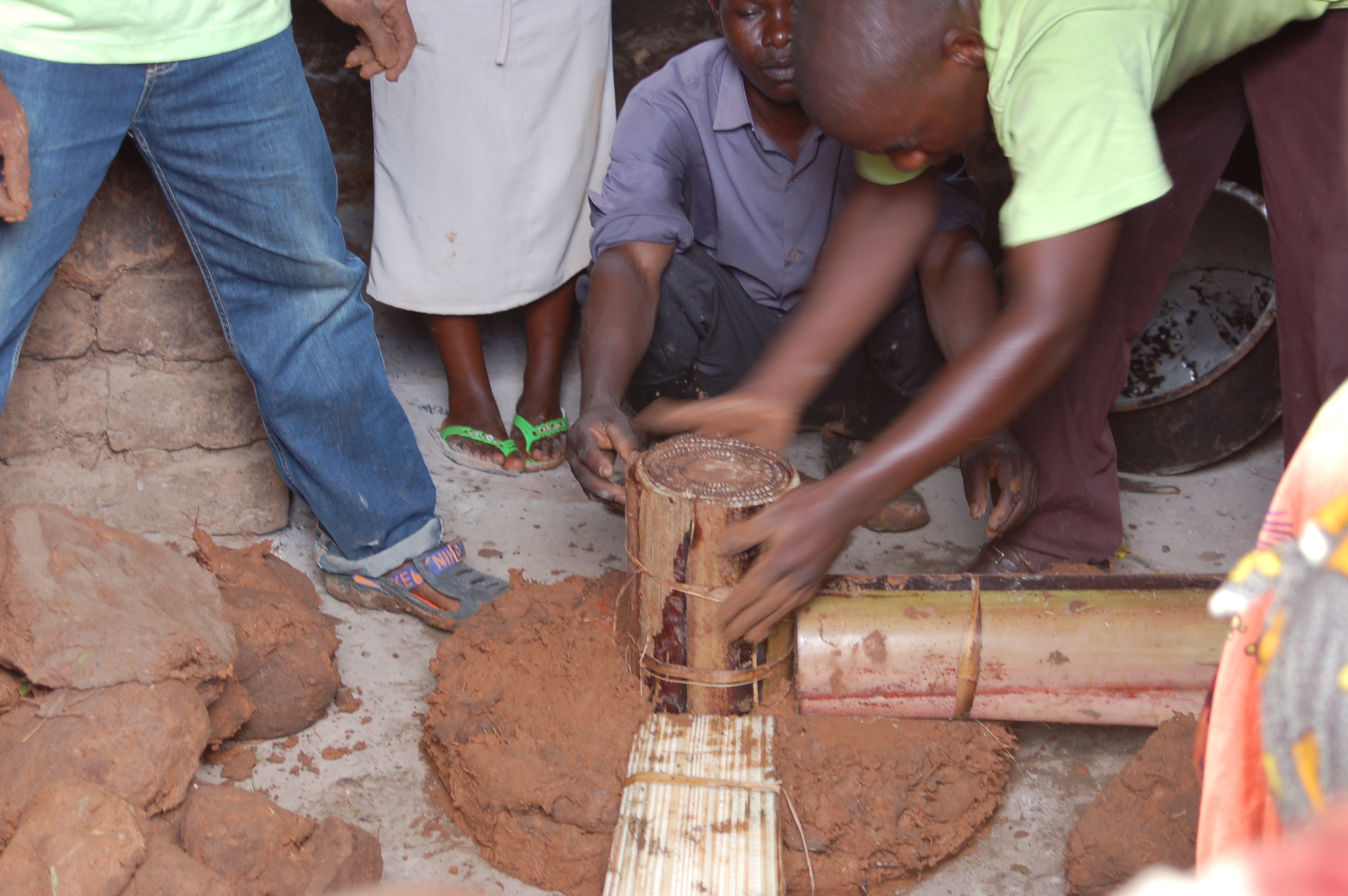
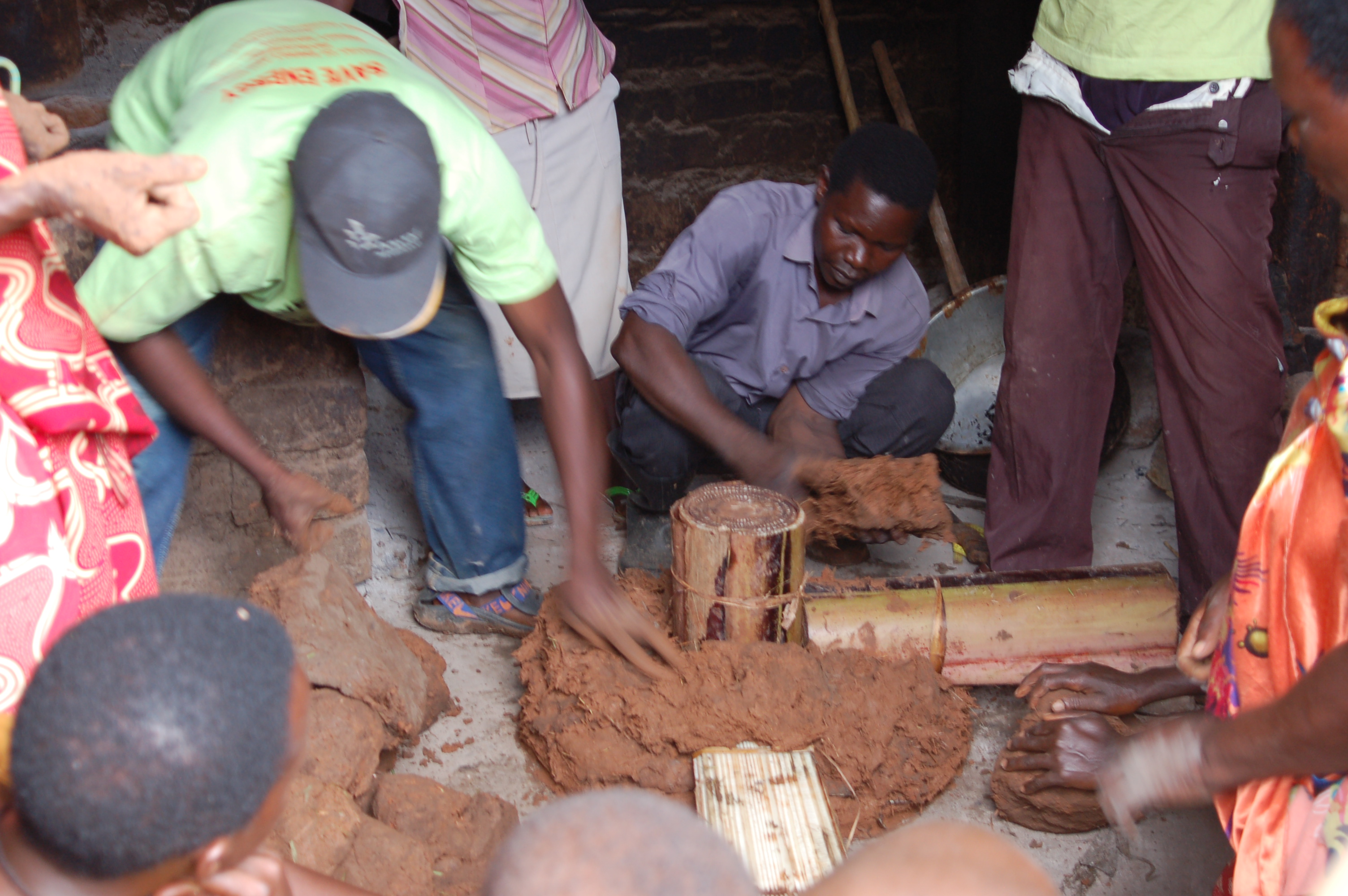
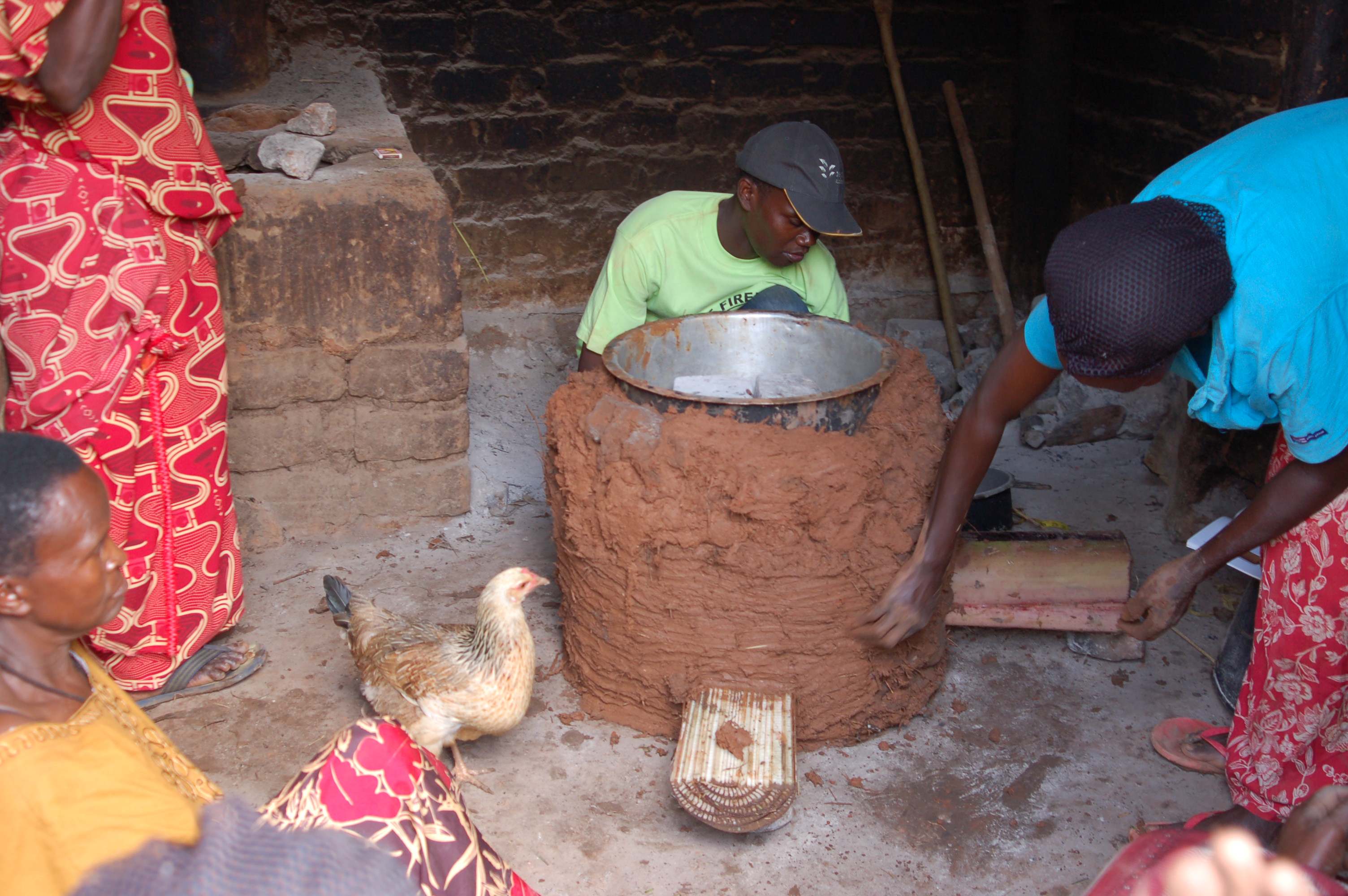
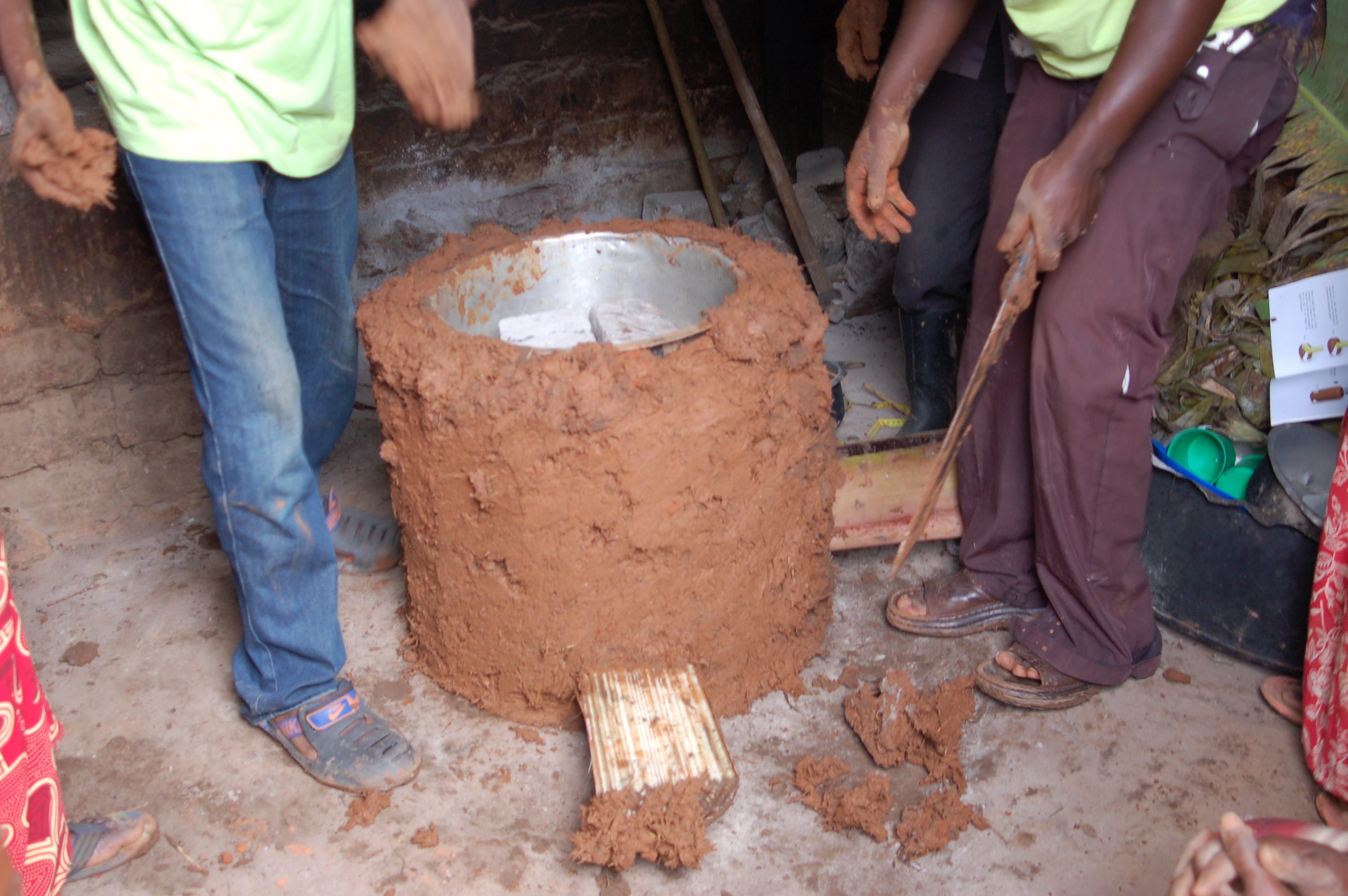
Years ago, I travelled to Uganda and headed out to a village. We were there to get involved in teaching folks how to build and use rocket stoves. These stoves are made out of mud and dried grass and are designed to efficiently burn fuel for fast, clean cooking.
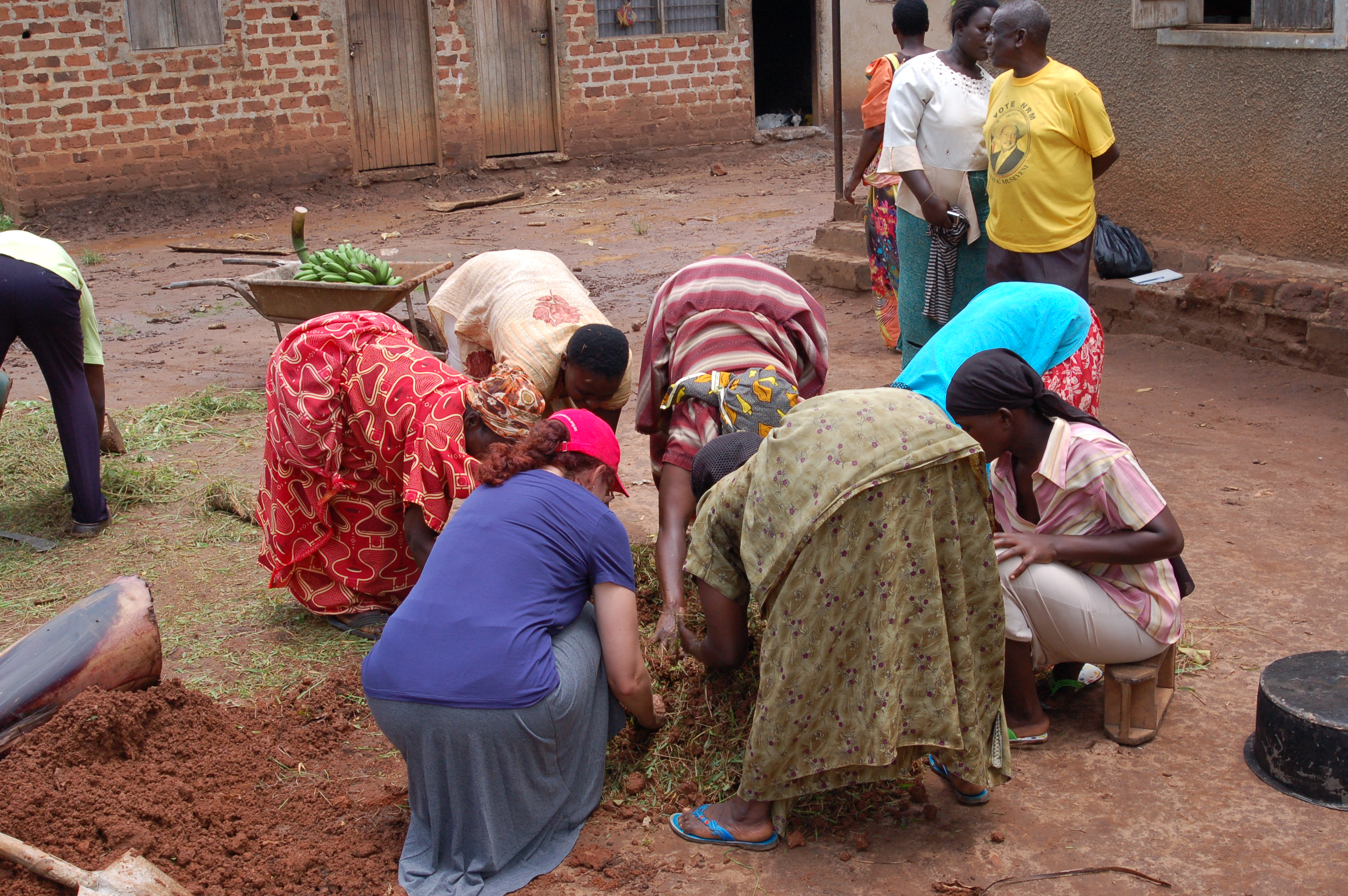
It is a physical build. You mix the dirt with water and dried grass to make sticky mud. This is then carried to the stove position and moulded into the stove form. The newly formed stove needs time to dry before being used but once it has cured, it efficiently uses fuel, directs heat to the bottom of the pot it has been built to fit, and burns in such a way as to create less smoke.
I’m a hands-on kind of gal and really enjoyed kneading the mud into a smooth pliable consistency. The weather in Uganda is tropical so the day was hot and moist—my least favourite combination.
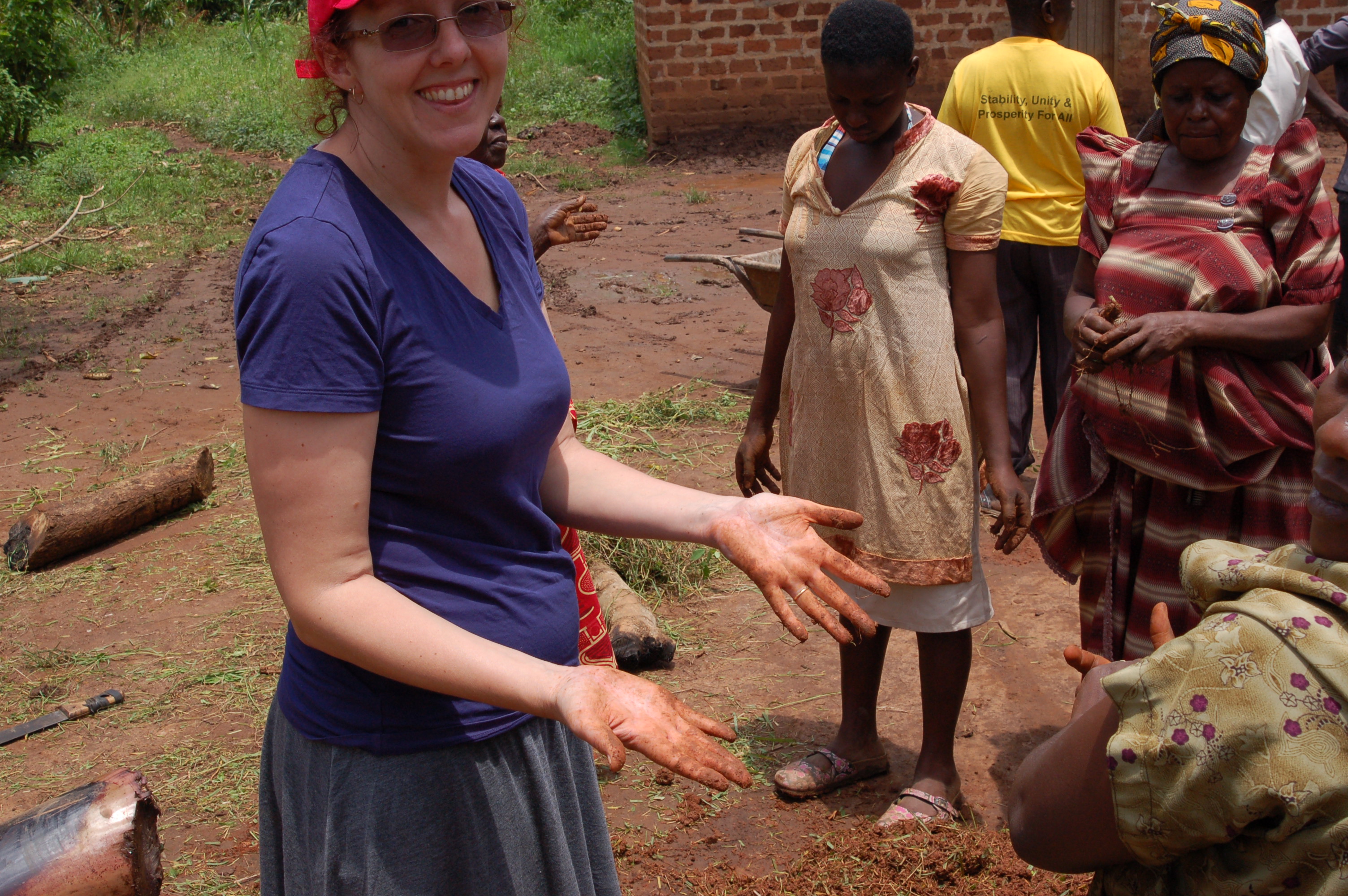
Once the build was done, we washed up and took a rest. One of the villagers brought around some Jack fruit. It looked a little like pineapple—yummo—and I swear it tasted like pineapple. Juicy and sweet and DELICIOUS. I happily accepted a second piece. It was that good.
Later that week, I was offered Jack fruit again. Knowing how good it was, I accepted.
The first thing I noticed was the smell. And it wasn’t as sweet as I thought. I asked someone whether this was a tart variety or if all Jack fruit tasted like this. Nope, not tart. This was a typical example.
The difference?
Earlier in the week, I had been hungry and it was hot.
I know what it is like to not have enough. I know what it is like to work on a very tight budget and to count out change to buy milk.
Not having enough is brutal. Not having enough shelter, or enough food, or enough to pay your bills, or enough connection to feel seen, or enough work; all of these needs must be met to a certain level in order for a person to be able to move from just living to thriving.
But after that? Once you have enough, how much more do you need?
My opinion is that you need to be able to go and buy a coffee once a week without wondering if you have just done terminal damage to your budget. Not a particularly technical measurement but one that makes sense.
It, of course, doesn’t account for those who have enough but can’t afford the coffee because of their online shopping or indulgent grocery list or those who happen to have a big bill due this week.
Beyond the coffee…
How much is enough?
What if what you have, this life you live, and who you are is enough?
I’m a big fan of having dreams. Goals and ambitions are important. They provide us with meaning and give us energy for living.
Yesterday, we got up early and worked on finishing a paved area in the yard so that the tradie who was coming had a safe place to do the job he needed to do. Our big-picture goal, to reno our house, gave us the energy to get up and do this little thing.
Goals give us energy and getting things done feels meaningful. It was meaningful to lug bricks around and create a tidy space. The Tradie didn’t mind. He could get his work done with or without the paved area.
Growth and improvement are the things I believe we are here for. That is why suffering matters—it is a tool for growth, brutal growth, but growth nonetheless. In our everyday lives, suffering aside, it is our job to make things better. The hiking motto ‘take only photographs, leave only footprints’ is apt: leave things better than you found them.
The thing is, everything has its limits.
We can work to improve things, ourselves, our situation, and our standing in the world but never feel we have achieved it.
Take weight loss. The goal is to look a certain way or get fit or some such thing. If the dieter doesn’t recognise when they have reached their goal, when they have dieted enough, their dieting becomes an eating disorder. They ignored enough.
Where in your life are you ignoring enough?
Intentional contentment is a place of joy and freedom. It isn’t a resentful space of defeat but a space where you have opened your eyes and seen—maybe for the first time in a while—the good things about your life.
Even if things are tough, there are still areas for intentional contentment. There are relationships, friends and family, that make us smile. Or maybe it’s the pleasure of falling asleep, tired from physical labour. Maybe it is the sunrise or birdsong or a flower or architecture or the fact that your feet take you places or the way the trains run or one of the millions of others things that could matter to you.
And when you have more than enough?
Give away your excess.
Generously encourage others. Don’t tell them to be like you. Instead, encourage them to see how wonderful they are, to be who they are, and to take pleasure in their unique gifts and talents.
Help them see they are enough.



 This Writer's Life